 Veteran-built.
Bee removal and wall repair
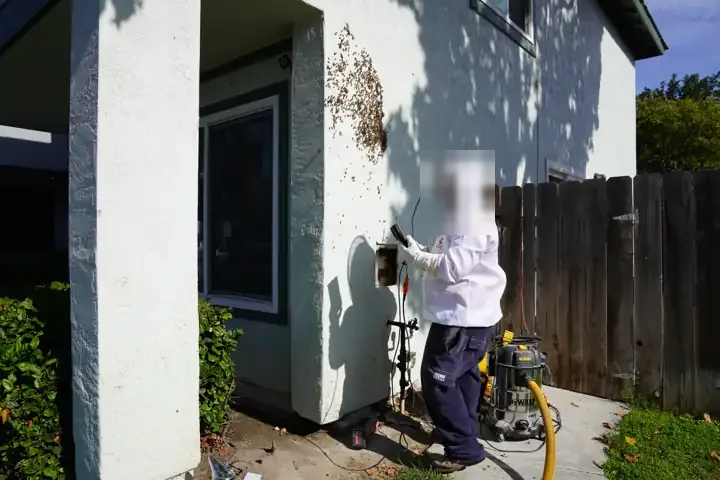
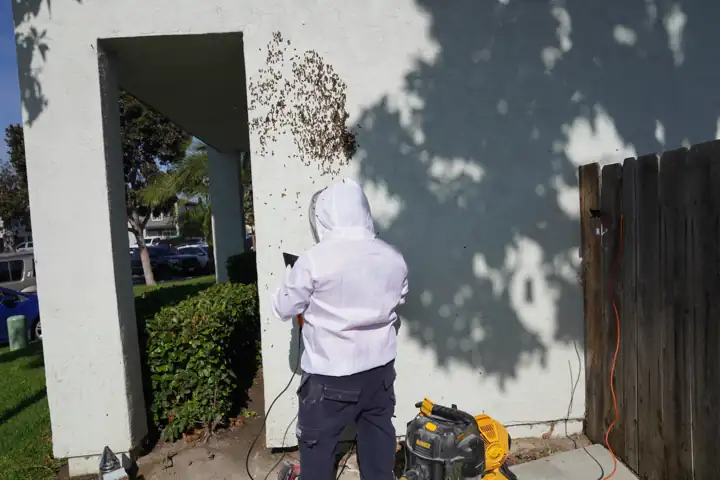
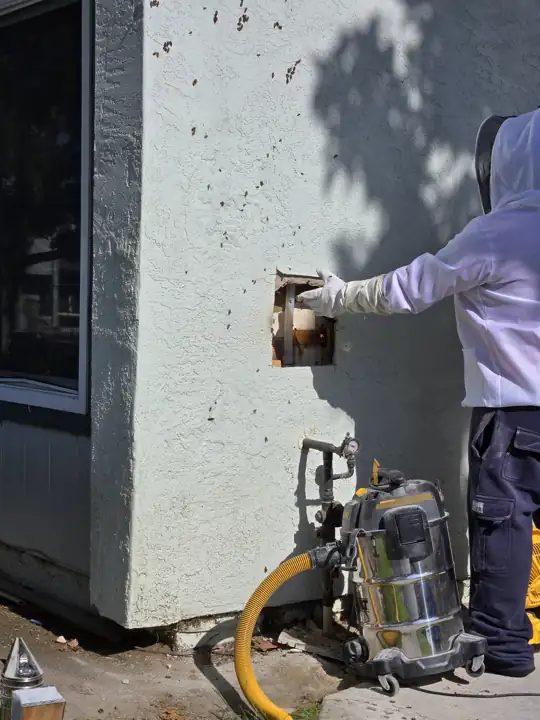
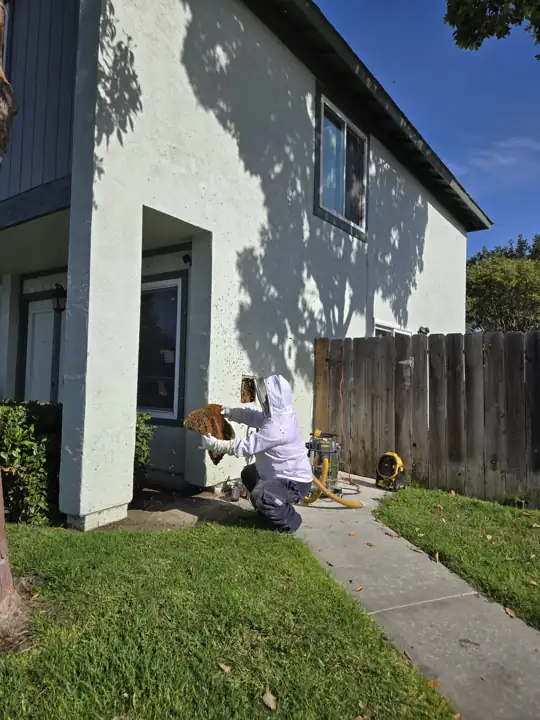
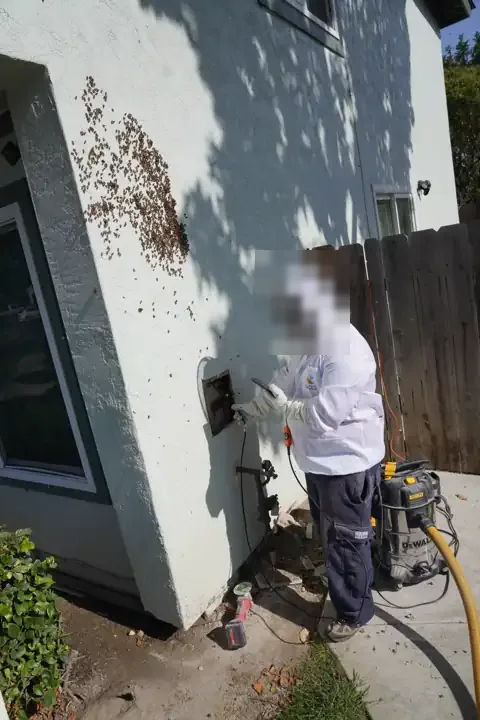
How we handled a honey bee colony living inside the stucco wall of a San Diego rental: live removal, comb out, wall closed and sealed. What to do, what not to do, and what the repair takes.
From colony to patched wall
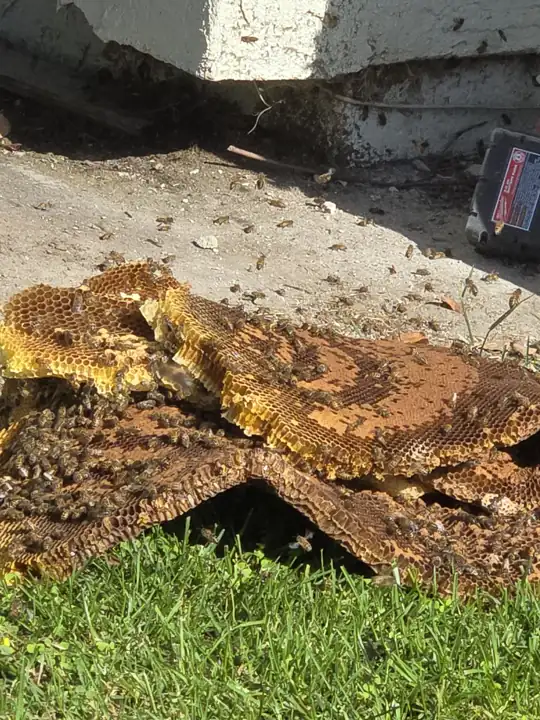
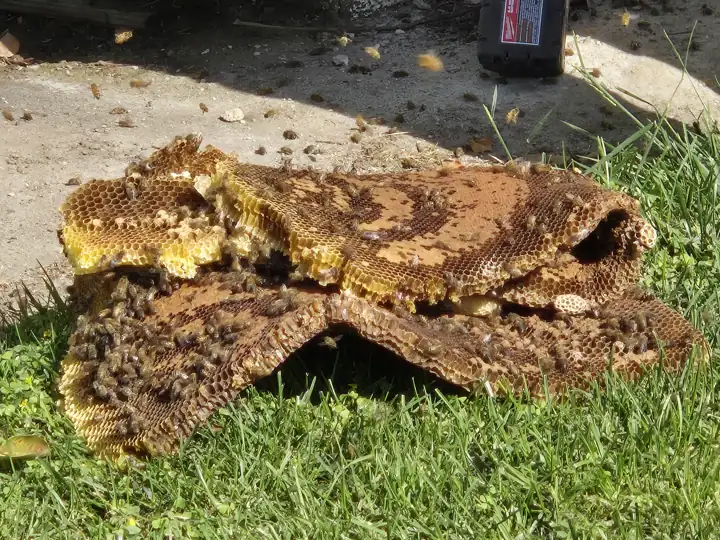
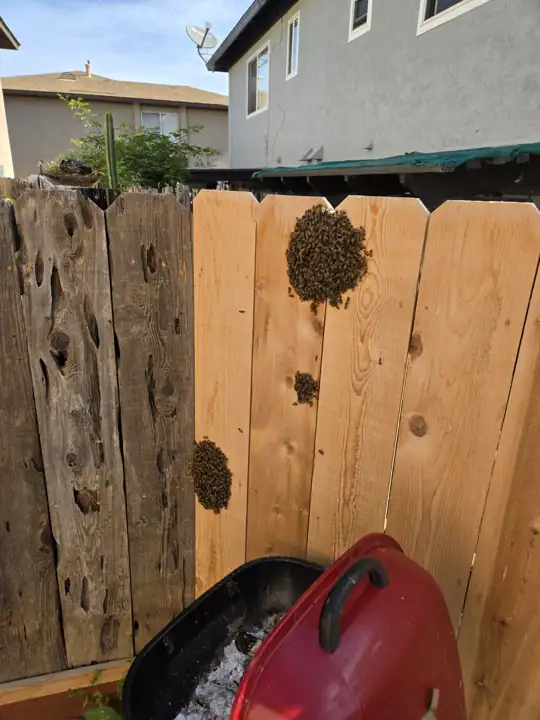
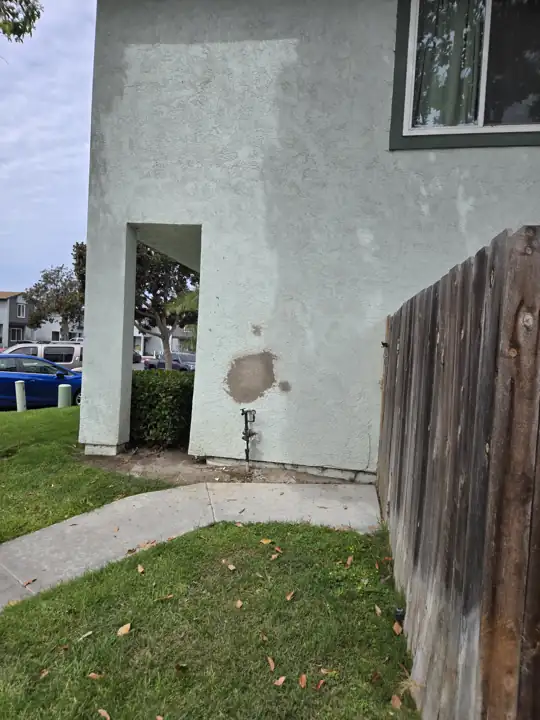
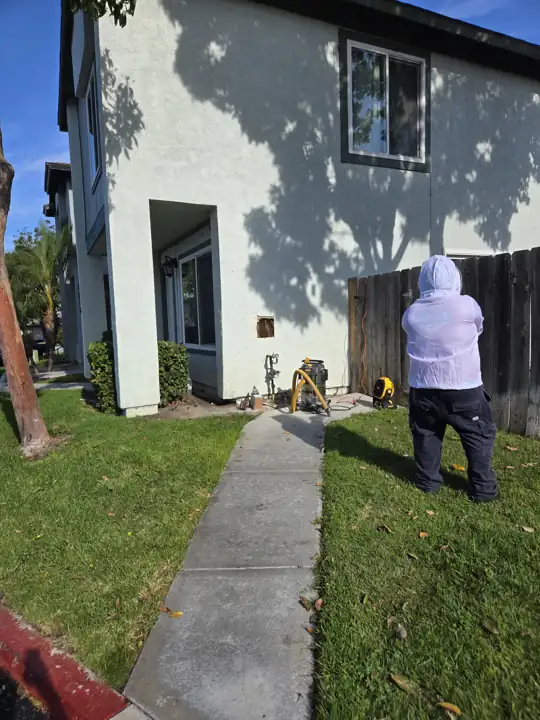
Swarm or colony, and why spraying is a mistake
Swarm vs colony
- A swarm is a ball of bees resting on a fence or branch; it often moves on in a day or two
- A colony has moved into a wall, roof or meter box and is building comb
- Swarms: keep people and pets away and call a beekeeper
- Colonies in walls: need a cut-out and a wall repair
Do not just spray and seal
- Dead bees, wax and honey stay in the wall
- Honey melts and soaks through stucco and drywall, and draws ants, roaches and rodents
- Sealed-in bees look for another way out: often into the house
- Southern California has Africanized honey bees; never disturb a colony without protection
Live removal
- A beekeeper vacuums bees, removes comb and relocates the colony
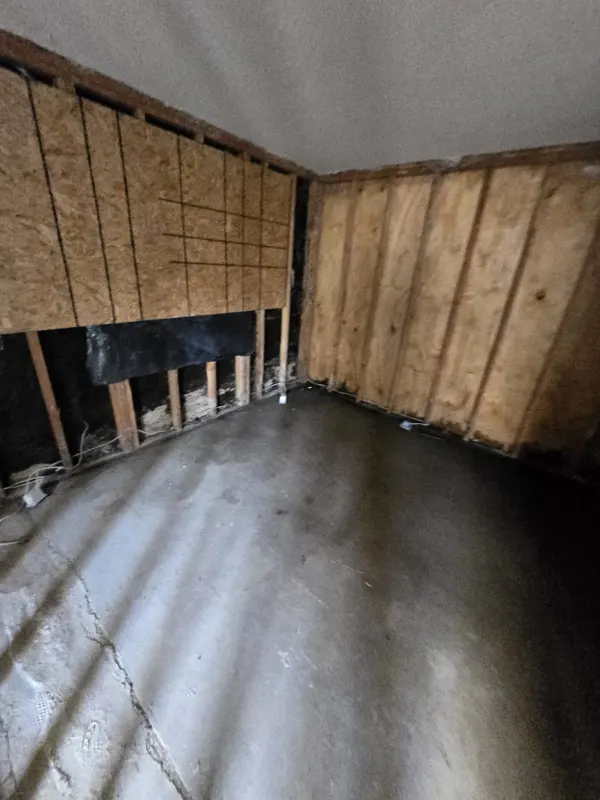
- Wall gets opened, cleaned, insulated and closed
- All entry gaps sealed so scouts are not drawn back by the smell
- Ask for photos of the cavity before it is closed
Good, better, best, and pro results
Swarm only: wait and watch
$0-$150
- Keep everyone 50 ft away; no spraying
- Most swarms leave within 72 hours
- Call a beekeeper to collect it if it stays
Live removal + basic patch
Typical quotes vary by access
- Beekeeper cut-out and relocation
- Comb fully removed, cavity cleaned
- Opening patched and primed
Removal + full wall repair + exclusion
Quote
- Insulation replaced, stucco or siding matched and painted
- All gaps sealed: vents screened, penetrations caulked
- Written warranty against return to the same spot
Get a referral
Referral
- We can refer you to a live-removal beekeeper and a CSLB-licensed contractor for the wall repair
- Ask the contractor for a written warranty
- Property managers: we handle tenant notices
Patch the wall yourself after removal
Leave the bees to a professional. Do the repair yourself once the comb is out and the cavity is clean and dry:
- Cut back damaged lath and paper to solid material; replace building paper.
- Fill the cavity with insulation and close it with new lath.
- Apply bonding agent, then stucco in two coats; let the scratch coat cure.
- Texture to match, prime and paint.
- Seal every gap on that wall so new scouts have no way in.
Materials calculator
For the repair after the bees and comb are out. Removal itself should be done by a beekeeper or licensed pest professional.
| Material | Qty | Unit | Unit price | Line total | Buy |
|---|
Tools you need
Check off what you already own.
Estimates only. Buy links open store search results; we may earn a commission on Amazon purchases. Check local code and permit rules before you start.
Keep bees from moving back in
- Screen foundation and attic vents with 1/8 in hardware cloth.
- Caulk gaps over 1/8 in around pipes, meters, hose bibs and light fixtures.
- Check irrigation boxes, utility boxes and old sheds every spring: bees love empty boxes.
- Patch weep screed and stucco cracks before swarm season (March-June in San Diego).
- Remove old comb completely after any removal; the smell draws new swarms.
Broker, not a contractor. David Thomas Mejia is a California real estate broker (CA DRE #01448424), not a licensed contractor. Work that needs a California contractor's license should be done by a CSLB-licensed contractor; check any license at cslb.ca.gov. Cost ranges on this page are general estimates, not bids.